Attractions
16 places · parks, museums, landmarks
SemtAtlas is a curated Istanbul travel guide that brings headline landmarks and quieter finds into one clean browse. Narrow places by district, setting, timing, duration, and cultural fit to build a clearer day.
Quick filters
More filters
Type
Dress code
Book a tour
Affiliate links — we earn a commission when you book; it costs you nothing extra.
Basilica Cistern
A vast, atmospheric 6th-century underground cistern built by Emperor Justinian. Walk on raised platforms above shallow water, surrounded by a forest of columns.
TL 900·1h
Fatih

historic
Hagia Sophia
Hagia Sophia is a monumental building that has served as a church, mosque, and museum. Its massive dome and layered history make it a central landmark in Istanbul.
TL 1500·1h30m
Fatih·Covered

historic
Akaretler Row Houses
A restored 19th-century row of workers' houses built for Dolmabahçe Palace staff. Today, it's a quiet, upscale pedestrian street with high-end shops and cafes.
1h
Beşiktaş

historic
Camondo Stairs
A beautiful 19th-century staircase in Galata, built by the wealthy Camondo family. It's a quiet, elegant piece of history connecting two streets.
15m
Beyoğlu

historic
Çiçek Pasajı
A historic covered arcade off İstiklal Avenue, lined with cafes and restaurants. It's a lively spot connecting the main street to the Fish Market.
1h
Beyoğlu

historic
Dolmabahçe Clock Tower
A late-Ottoman clock tower built by Sultan Abdülhamid II and designed by architect Sarkis Balyan. It stands as a free, elegant landmark on the palace waterfront.
15m
Beşiktaş

historic
Hippodrome of Constantinople
This long, open square was the heart of Byzantine Constantinople's public life. Today, you can see the Egyptian Obelisk, Serpent Column, and Walled Obelisk marking its ancient spine.
1h
Fatih

historic
Kariye Mosque (The Chora)
A Byzantine church converted to a mosque, famous for its intricate Late Byzantine mosaics and frescos. It's in the Edirnekapı neighborhood.
1h
Fatih·Covered

historic
Moda İskelesi (Historic Ferry Terminal)
A historic wooden ferry terminal on Kadıköy's Moda coast. It's a simple, beautiful spot to watch the boats and the Marmara Sea.
1h
Kadıköy

historic
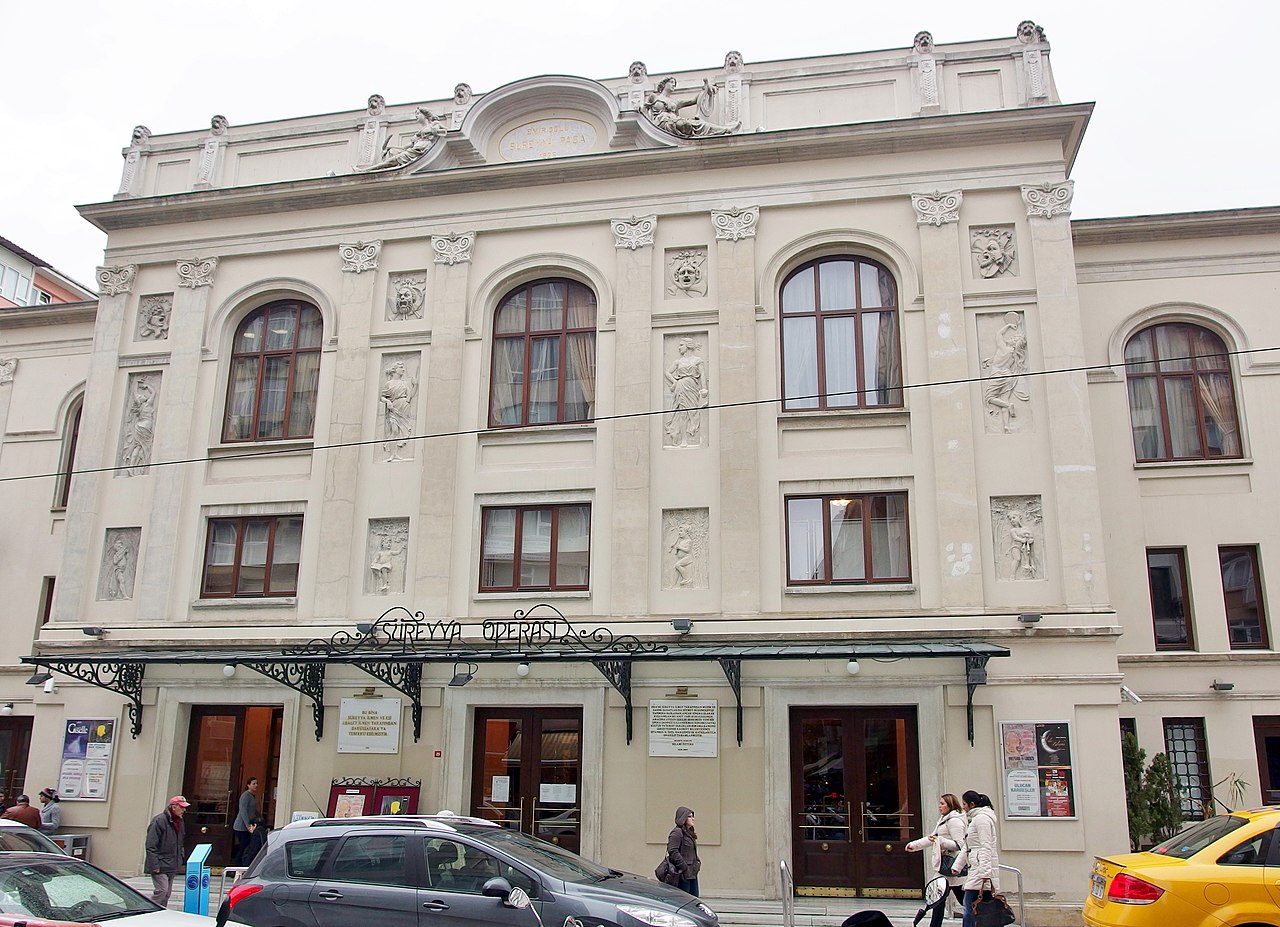
Süreyya Opera House
A beautiful 1927 opera house in Kadıköy, originally Istanbul's first musical theatre on the Anatolian side. It was restored and reopened as a proper opera venue in 2007.
1h
Kadıköy
historic
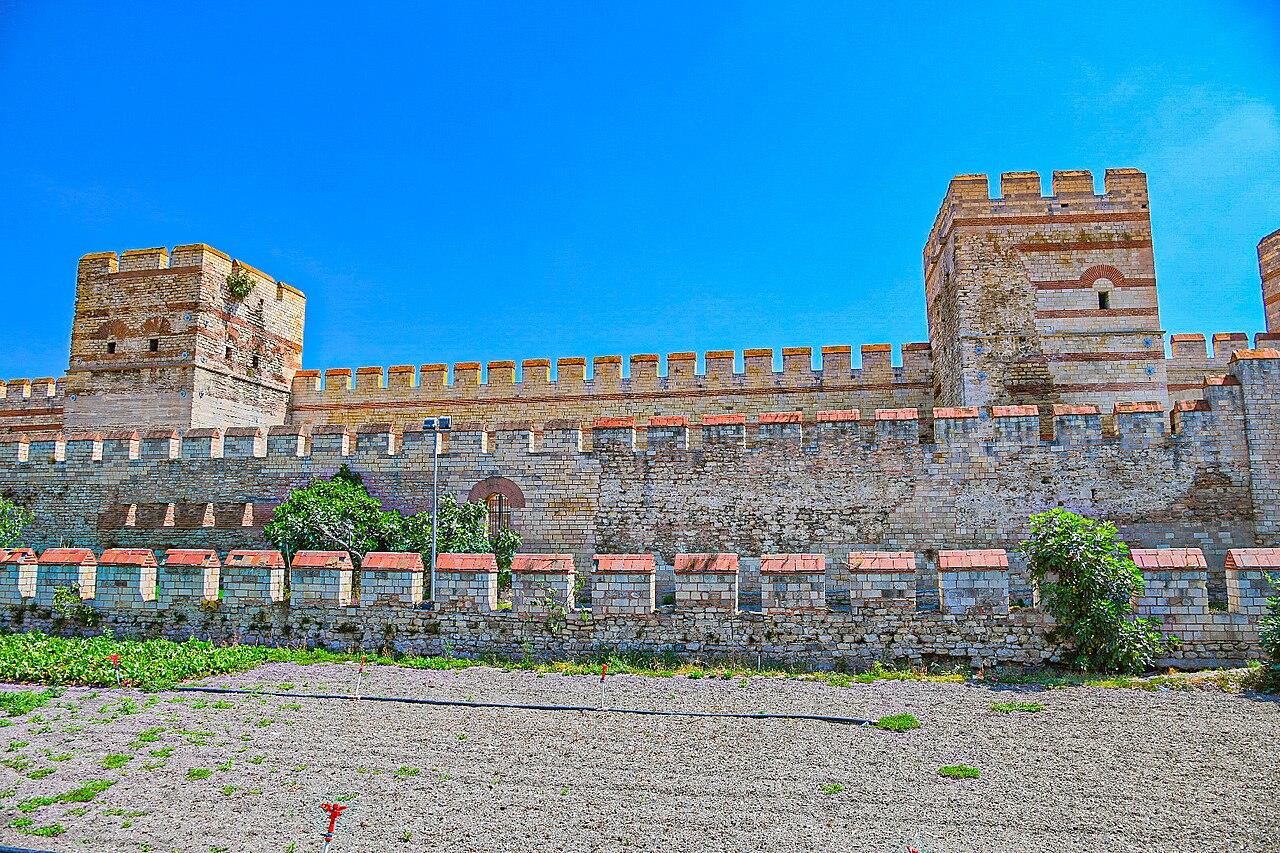
Theodosian Walls
These are the massive stone walls that protected Constantinople for centuries. You can walk along sections of them, especially around the Edirnekapı and Topkapı areas, to get a sense of the city's ancient scale.
1h
Fatih
historic
Valens Aqueduct
This Roman aqueduct from the 4th century supplied water to Constantinople for over a thousand years. It cuts right through the modern city, so you can walk right up to it.
1h
Fatih

historic
Pera Palace Hotel
A historic hotel built in 1892 to host passengers of the Orient Express. It's considered the oldest European hotel in Turkey.
Varies·1h
Beyoğlu

historic
Tünel Funicular
The Tünel is a historic underground funicular connecting Karaköy and Beyoğlu. Opened in 1875, it's the world's second-oldest underground urban railway.
Varies·1h
Beyoğlu

historic

